Northern Beaches Wards
Arborist reports, tree removal and Council pathway support across all five wards.
Council tree permits, removal and Level 5 arborist reports across Pittwater Ward.
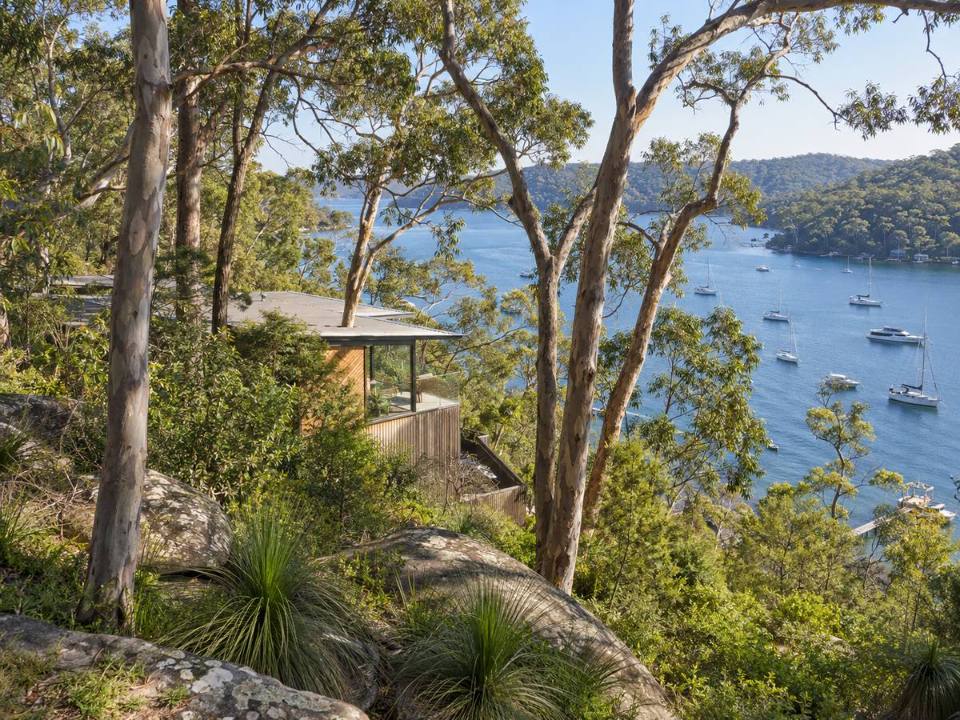
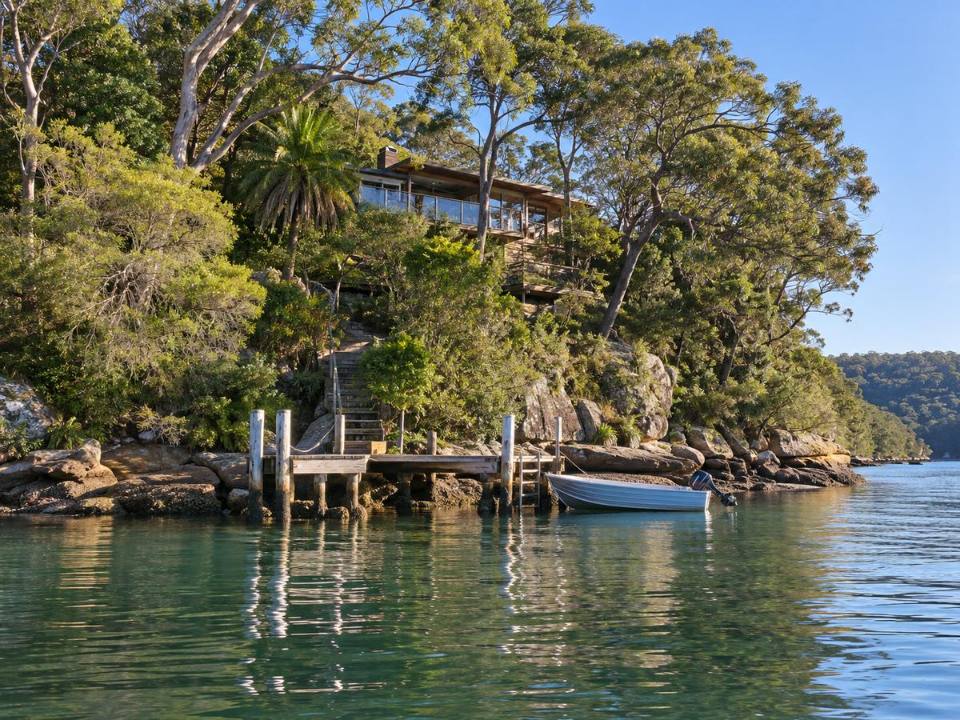
Pittwater Ward stretches from Mona Vale and Warriewood through Newport, Avalon and Palm Beach, around the Pittwater foreshore at Bayview and Church Point, and out to ferry-access communities such as Scotland Island. Steep sites, sandstone, bushland and native vegetation are part of everyday life here.
From Avalon to Church Point to the ferry-access communities, we start by working out what Council actually requires for your tree, so you don't pay for a report you may not need.
Quick answer
A tree over 5 metres high generally needs Council approval before removal unless a specific exemption applies. In Pittwater Ward that answer is often shaped by the Biodiversity Values Map, bushfire considerations, and steep or hard-to-reach sites.
Building or renovating in Pittwater Ward? See DA arborist reports. Tree removal or a safety concern? See tree removal and tree health and safety assessments. Pittwater Ward is one of the five Northern Beaches wards.
Northern Beaches Council's Wards and suburbs page lists these suburbs. Ingleside, Mona Vale, Terrey Hills and Warriewood are marked as partial, so only part of each is in Pittwater Ward. This page covers private-property trees; trees on public, Council-managed land are handled by Council.
Avalon
Bayview
Bilgola
Bilgola Plateau
Careel Bay
Church Point
Clareville
Coasters Retreat
Accessible via ferry
Cottage Point
Currawong
Accessible via ferry
Duffys Forest
Elvina Bay
Accessible via ferry
Ingleside
Partial
Ku-ring-gai Chase
Lovett Bay
Accessible via ferry
Mackerel Beach
Accessible via ferry
Mona Vale
Partial
Morning Bay (Towlers Bay)
Accessible via ferry
Newport
Palm Beach
Scotland Island
Accessible via ferry
Terrey Hills
Partial
Warriewood
Partial
Whale Beach
Council says many Northern Beaches properties are on the NSW Biodiversity Values Map, which identifies areas of high biodiversity value, and gives the Pittwater Spotted Gum Forest endangered ecological community as an example. Removal of certain NSW-native trees on mapped properties may need a permit from the Native Vegetation Panel rather than Council.
Trees here may grow above or below houses, around sandstone, beside retaining walls and on shallow soils. Visible or unusual roots on a sandstone site do not automatically mean a tree is unstable; recent root-plate movement is different from roots that have adapted to a site for years. See tree health and safety assessments.
Council's tree controls apply on these properties as they do elsewhere. Access can affect how approved work is carried out, so tell us early where a property is reached by water.
Many Pittwater properties back onto bushland. Clearing under the NSW 10/50 scheme depends on the property being in the mapped entitlement area and meeting the requirements, and development consent conditions can prevent its use.
Council's rules for removing and pruning trees on private land apply across the whole Northern Beaches. The property, the tree and the reason for removal decide which pathway applies.
Development in Pittwater Ward often involves sloping sites, native vegetation, difficult access and building close to established trees. Trees on your property, next door and on Council land may need to be assessed as part of the Development Application.
Our Church Point case study shows how a basal wound in an apparently healthy Grey Gum was assessed.
Council's native planting guide has a list of suitable trees for Pittwater Ward. Where a property is mapped as a Threatened Ecological Community, Council says to use the tree species list for that community instead. See Council's native planting guide for Pittwater Ward.
Send us the address, photographs of the tree and the site, including how the property is reached, and any letter from Council. We will tell you plainly what the evidence supports and what Council is likely to need.
Possibly. Council says removal of certain NSW-native trees on properties on the Biodiversity Values Map may need a permit from the Native Vegetation Panel rather than Council, and gives the Pittwater Spotted Gum Forest endangered ecological community as an example.
Only where the property is in the mapped entitlement area and the requirements are met. Council warns that consent conditions can prevent its use, and bushfire-prone land does not by itself authorise removing any tree.
Yes. Council's private-tree controls apply across the whole Northern Beaches, including the ferry-access communities Council lists in Pittwater Ward. Access can affect how approved work is carried out, so tell us early.
Not automatically. Roots follow rock, slope and soil, and unusual root architecture does not by itself establish instability. Recent movement or lifted soil is different.
Yes. Once the exemption or approval is established, removal is carried out under our arborist's supervision.
Arborist reports, tree removal and Council pathway support across all five wards.
Council pathway checked first, with Level 5 reports where required.
Level 5 reports for new homes, extensions and development near trees.
Professional pruning with Council permit support where required.
Send us the address, photographs of the tree and the site, including how the property is reached, and any letter from Council. We will tell you plainly what the evidence supports and what Council is likely to need.