Just removing a tree?
An existing property, with no development associated with the removal. The private-tree permit pathway may apply. Council's private-land page states that pathway is for tree work not associated with a development application.
Building, extending or redeveloping around trees?
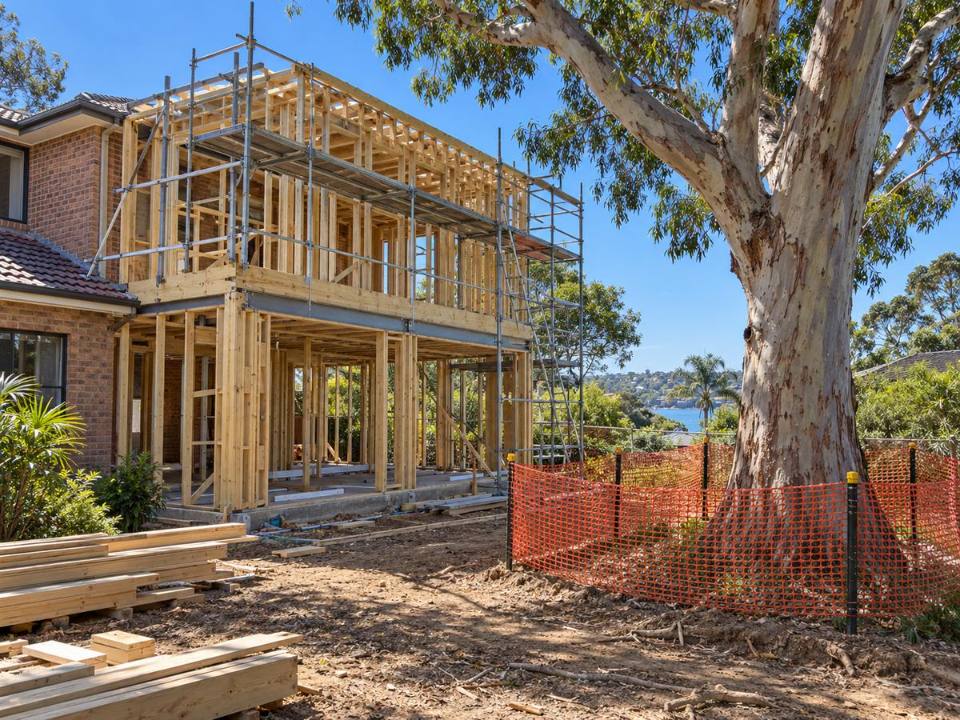
Planning a new home, knockdown-rebuild, extension, secondary dwelling, pool, driveway or retaining structure? If trees on your property or neighbouring land could be affected, Northern Beaches Council may require arboricultural information as part of the Development Application.
Our role is to identify the tree constraints, assess which trees can reasonably be retained or removed, and provide the arboricultural evidence for the DA, ideally before the design is locked in. Locally based in Cromer and servicing the Northern Beaches.
Quick answer
Not every DA does. Northern Beaches Council lists “Arborist” among the technical reports to include “where applicable to your development proposal and/or site.” An arborist report may be relevant if trees are close to the works, proposed for removal, or Council has asked for one.
An arboricultural assessment may be relevant where:
Send them through first. We'll review what Council is asking for and establish whether an arborist assessment appears relevant before you pay for unnecessary documentation. Council's Planning Enquiry Officers on 1300 434 434 can also assist with planning enquiries. See Council's Development Application process.
The report brings the trees and the architectural plans together. Depending on the development, it can consider:
The objective is not simply a list of trees. It is to establish how the proposed development and the trees interact.
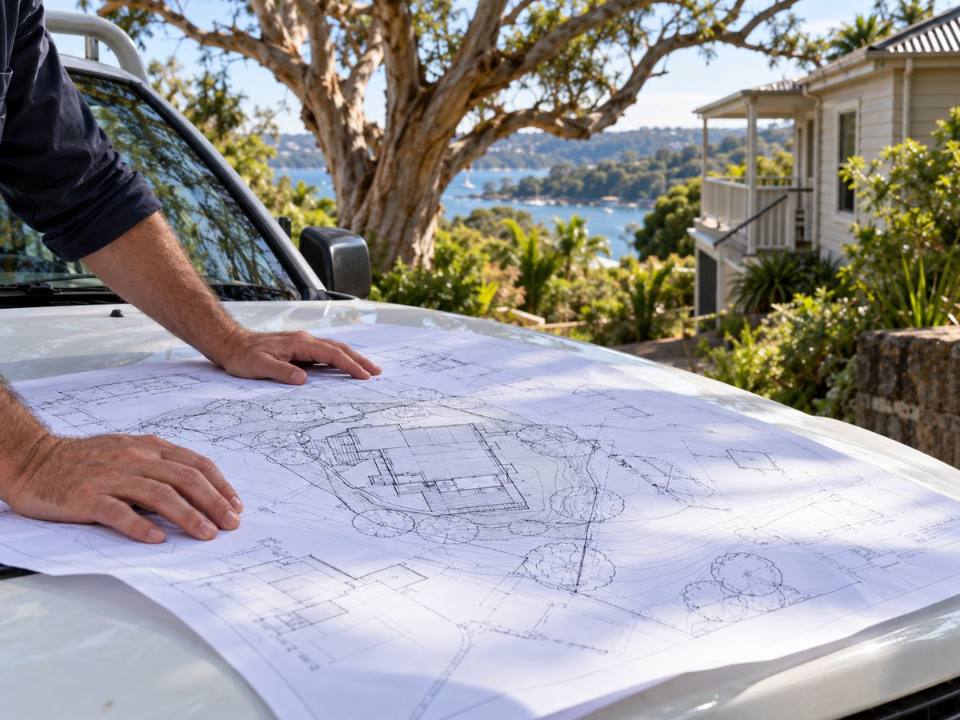
The current architectural plans, survey and any Council correspondence.
An AQF Level 5 Consulting Arborist assesses the relevant trees and their relationship with the proposed development.
We review the proposed works against the trees being retained or removed and identify the arboricultural constraints.
Where required, we prepare the DA Arborist Report or Arboricultural Impact Assessment. If Council later raises tree-related questions, we can assist with the arboricultural response.
Our AQF Level 5 Consulting Arborists, QTRA and TRAQ qualified and with more than 32 years of arboricultural experience, assess the trees and report on the arboricultural evidence. Recommendations are based on the trees, the site and the proposed works. The broader team also operates through Arbor Express across New South Wales.
An existing property, with no development associated with the removal. The private-tree permit pathway may apply. Council's private-land page states that pathway is for tree work not associated with a development application.
A new house, extension, pool, driveway or other development affecting trees. The arboricultural assessment forms part of the development assessment pathway instead. Council's tree application guidance notes that if a development application is current for the property, tree removal may be assessed under that application and the separate tree application may not be required.
Two terms commonly appear in development arboriculture, both assessed with reference to AS 4970:2025, Protection of trees on development sites. The Tree Protection Zone (TPZ) is the area set aside to protect a tree on a development site. The Structural Root Zone (SRZ) is the area around the base associated with the roots important to the tree's structural stability.
Excavation, trenching, soil compaction and changes to ground levels can affect a tree without anyone cutting its trunk or branches. Encroachment into a TPZ does not automatically mean the tree has to be removed. The impact needs to be assessed in the context of the tree, the site and the proposal.
Sometimes trees can be removed. A DA can propose removal where trees conflict with the works, but a red cross over a tree on the plans does not by itself establish that removal is appropriate. Council assesses the proposal as a whole, including the tree's condition and retention value, the likely impact, whether reasonable design alternatives exist and whether retention is practical.
A tree conflict does not automatically mean the development cannot proceed. Depending on the site, outcomes may include:
Sometimes the evidence supports removal. Sometimes the tree can be retained. Sometimes a small design change resolves the conflict. The arborist identifies the constraints and potential impacts. Design decisions remain with the owner and the design and planning professionals, and Council makes the decision on the Development Application.
Each ward brings different development and tree conditions. See all five Northern Beaches wards.
Manly, Fairlight, Balgowlah. Constrained lots, neighbouring trees, older buildings and redevelopment can make the relationship between trees and works especially important.
Dee Why, Brookvale, Freshwater. Established residential redevelopment, infill and extensions on constrained sites can put mature trees close to new work.
Frenchs Forest, Belrose, Davidson. Larger trees, bushland interfaces and biodiversity considerations can become relevant. Council notes many Northern Beaches properties are mapped on the NSW Biodiversity Values Map.
Narrabeen, Collaroy, Cromer. Residential redevelopment with established canopy and varied terrain can shape where and how work can occur near trees.
Newport, Avalon, Palm Beach. Sloping sites, native vegetation and difficult access can create more complex design and construction relationships.
Some projects need more than the initial assessment. Depending on the development and Council's conditions, later stages can involve detailed Tree Protection Plans, root investigation and mapping, Project Arborist supervision and documentation required by the development consent. Not every development needs these. These specialist development-arboriculture services are handled through Arbor Express.
The Arborist Report becomes one part of the Development Application documentation. During its assessment, Northern Beaches Council may raise questions or request further information about tree impacts, retention or protection. Where an arboricultural matter is raised, we can review what Council has requested and advise on the appropriate arboricultural response.
An Arborist Report supports the DA. It does not guarantee development approval.
Our Northern Beaches case studies contain real arborist reports, including two directly relevant to development: a nine-tree assessment for a Frenchs Forest development involving a driveway redesign around retained trees, and a ten-tree assessment for a Davidson development involving construction over root zones.
These examples show how tree condition, proposed works, root impacts, retention, removal and tree protection are considered in actual arboricultural reporting.
Google reviews from Northern Beaches Tree Permit Services clients and from Arbor Express, the consulting arborist team behind Northern Beaches Tree Permit Services.
“Robert provided a relaxed and very professional service. He listened to both parties disputing the removal of a tree, and his comprehensive report resolved the issues between them.”
“Rob was thorough and shared our concern for our trees, which had extensive psyllid dieback. His detailed report was accepted immediately by council, and his environmental approach was much appreciated.”
“We were concerned about some large gums dropping sap and expected to remove them. After the Northern Beaches arborist's review we were convinced the trees were healthy. A very big saving.”
Before the design is locked, if significant trees are close to the works. Council's guidance advises reviewing the planning controls that apply to your property and considering its pre-lodgement services, and early arboricultural input lets the team consider tree constraints before lodgement.
Neighbouring trees can still be relevant if excavation or construction could affect them. The assessment considers the development's potential impact on those trees.
An AIA examines the relationship between existing trees and the proposed development and makes arboricultural recommendations about impacts, retention, removal and protection.
Where trees are removed for development, any replacement-planting requirement comes from Council's assessment and the conditions of consent. Don't assume a standard replacement ratio.
The cost depends on the number of trees, site complexity, the proposed development and Council requirements. We provide a written quote before work begins.
Council requirements can change. Confirm current requirements with Northern Beaches Council before undertaking tree work.
A guide to arborist reports for DAs, neighbouring and street trees, driveways and designing around trees.
Tree removal on private property with Council permit support where no development is involved.
Real Northern Beaches assessments, including development sites in Frenchs Forest and Davidson.
Send us your property address and plans. We'll review the proposed works and advise what arboricultural assessment appears relevant for your DA.