Tree Removal
Council pathway checked first, with Level 5 reports where required.
Can I remove this tree? A step-by-step guide.
Before removing a tree on private property in the Northern Beaches, the first question is not whether an arborist supports removal. It is: does the tree need Council approval at all?
Northern Beaches Council has exemptions that allow some trees to be removed without a Tree Permit. Other trees need an application, and different pathways apply to dangerous trees, development sites and land affected by biodiversity controls. This guide sets out the order to check things and points to the page that covers each step in detail.
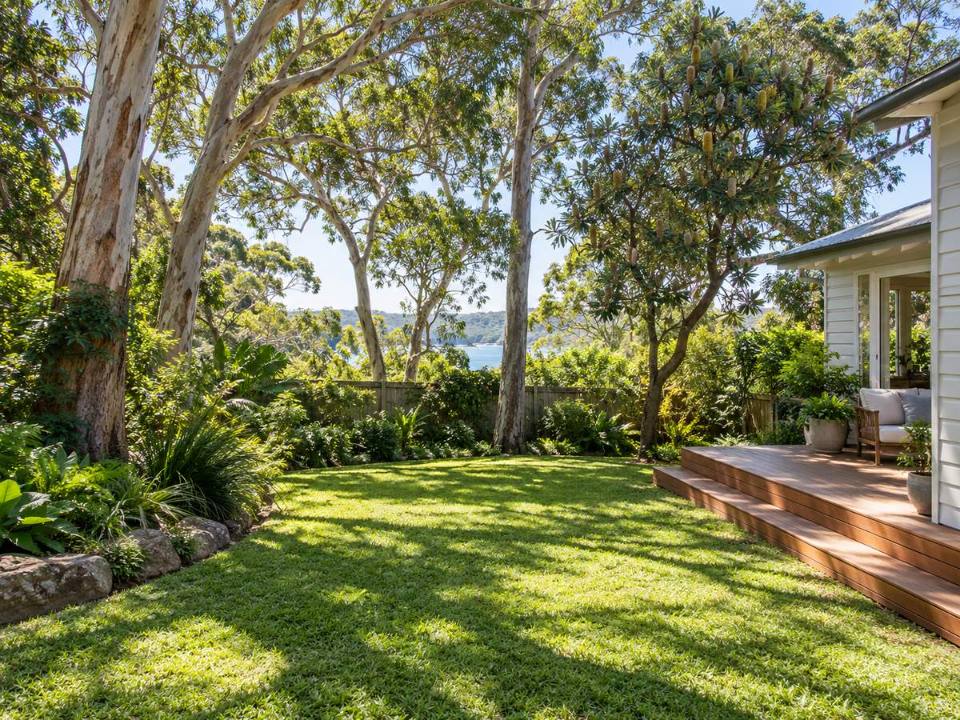
Quick answer: check the exemptions first. Then check whether heritage, biodiversity or other controls apply, whether removal is part of a development, and whether the tree is an imminent danger. Only if none of those applies is a Council Tree Removal and Pruning Application likely to be needed.
Yes: check the complete exemption rule. No: continue to step 2.
Exempt tree species listYes: check the applicable pathway. No: continue to step 3.
Council private-land rulesYes: address it through the DA. No: continue to step 4.
DA arborist reportsYes: the Level 5 emergency pathway may apply. No: continue to step 5.
Emergency tree removalA Council application is likely required.
Tree removal reportsCouncil lists circumstances where a tree can be removed without a permit, such as trees under 5 metres high, trees within 2 metres of an existing approved building, dead trees not required as habitat, and trees on its Exempt Tree Species List.
Each exemption has conditions. Do not remove a tree because one description appears to apply without checking the complete rule.
Heritage listing, threatened species, endangered ecological communities, development consent conditions and the NSW Biodiversity Values Map can change the pathway. On mapped land, removal of certain NSW-native trees may need a permit from the Native Vegetation Panel rather than Council. See Council's rules for removing trees on private land.
If removal is proposed because of a new dwelling, extension, pool, driveway, retaining wall, demolition or subdivision, the tree may need to be addressed through the Development Application rather than a private-tree permit. See DA arborist reports.
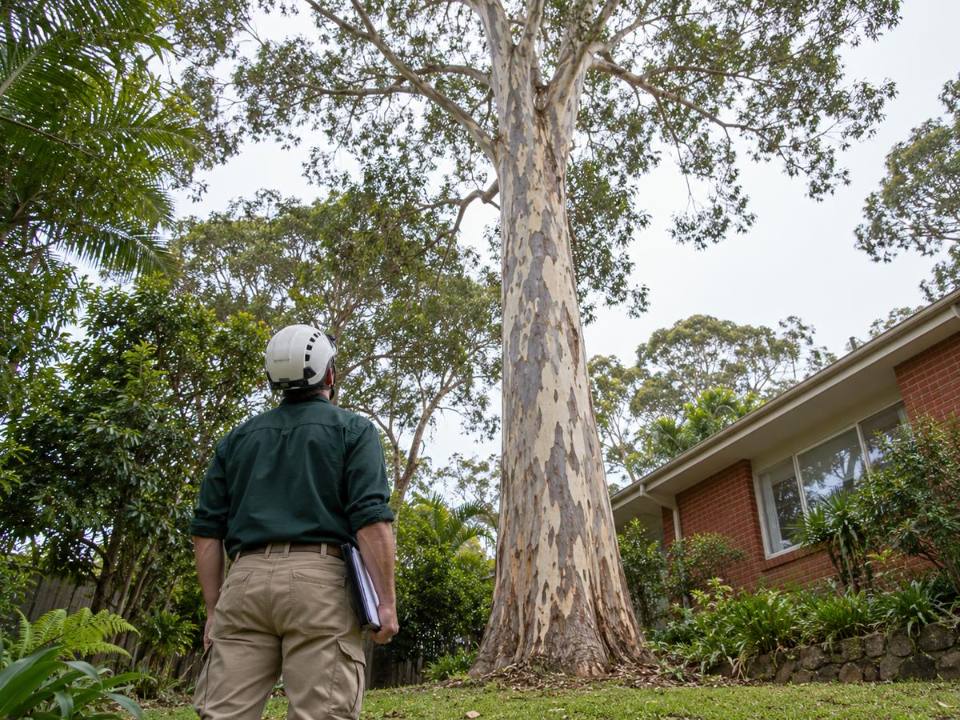
A tree that looks dangerous is not automatically exempt. Council has a specific pathway where an AQF Level 5 arborist or equivalent certifies a tree as a high risk or imminent danger, subject to written evidence. It should not be used simply because a tree is large, leaning, hollow or inconvenient. The priority is to establish the tree's safety and whether the evidence supports the emergency pathway. See emergency tree removal and is my tree dangerous?
A Council Tree Removal and Pruning Application may be required. Council states it needs the property owners' consent and an uploaded site plan, and that a qualified arborist report is delivered with all applications to remove significant trees. See tree removal reports.
Not every tree removal requires one. That is why we check the Council pathway first. Significant trees can call for stronger evidence, and a large or significant tree should not simply receive a generic report stating that removal is requested.
Where a report is required, it may need to establish the tree's identification and dimensions, health, structure, defects, decay, root condition, site conditions, relevant targets, the reason for removal, alternatives to removal and an arboricultural recommendation.
Northern Beaches Tree Permit Services uses AQF Level 5 Consulting Arborists for its reports.
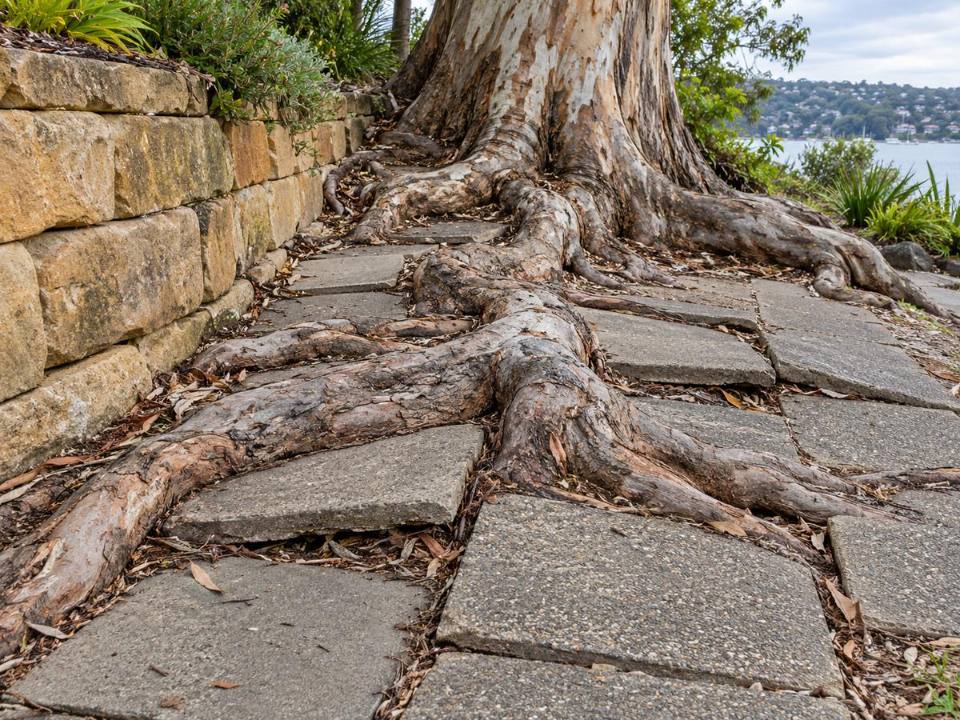
Cracked paving, a damaged wall, blocked pipes or lifted surfaces do not by themselves prove that tree removal is appropriate. The questions are:
Council's private-land page states it will not approve removal for damage to sewer pipes or built structures, or for fences, footpaths or driveways. Separately, it may permit removal of trees demonstrated to be in conflict with built structures after engineering alternatives have been considered.
Those statements sit side by side, so the evidence matters. Depending on the circumstances, it may come from an arborist, structural engineer, plumber or other specialist. Roots should not simply be cut to see what happens. Root investigation is available through Arbor Express advanced development arboriculture.
Council states it will not approve removal of healthy, stable trees, or removal for views, solar access, leaf, fruit or sap drop, or bird or bat droppings.
A homeowner wanting a tree removed and there being arboricultural grounds supporting removal are not necessarily the same thing.
Approval is not necessarily the end of the process. Council states that a Tree Permit must be displayed at the front of the property while the approved work is carried out, and that it expires 12 months after the date of issue. Read the actual permit conditions before work begins.
Once the exemption or approval is established, tree removal can commence.
Possibly. Replacement planting comes from the conditions of the individual Tree Permit or development consent. Do not assume a universal replacement ratio. An approval may specify whether replanting is required, the number of trees, species, pot size and location.
If you have been told you need a tree report, send us the property address, photographs of the tree and its location, the reason removal is being considered and any Council correspondence. We can establish what is likely to be required before you pay for unnecessary documentation.
We assist homeowners throughout all five Council wards: Curl Curl, Frenchs Forest, Manly, Narrabeen and Pittwater. The same Council framework applies across the area, but individual properties can have very different environmental, development and site constraints. That is why the property and tree need to be checked rather than relying on a suburb or a general rule.
Whether the tree needs Council approval at all. Check the exemptions first, then other controls such as heritage and biodiversity, then whether removal is part of a development.
No. An exemption may apply, or Council may not require the same documentation in every situation. Establish the pathway first.
No. An arborist provides professional evidence and recommendations. Council makes the decision on applications that require its approval.
Not automatically. Council will not approve removal for driveways or fences, but may permit removal of trees demonstrated to be in conflict with built structures after engineering alternatives have been considered.
Council states the permit expires 12 months after the date of issue.
Follow the conditions on the individual permit or development consent. Do not assume a universal replacement ratio.
Yes. Once the exemption or approval is established, tree removal can commence.
Council requirements can change. Confirm current requirements with Northern Beaches Council before undertaking tree work.
Council pathway checked first, with Level 5 reports where required.
Compare 15 visible warning signs with your own tree.
Level 5 assessment of defects, decay and movement.
Arborist reports and tree removal across all five wards.
Send us the property address, photographs and any Council correspondence. We can establish whether the matter appears to involve an exemption, Council Tree Permit, Arborist Report, dangerous-tree assessment, biodiversity pathway or development approval.